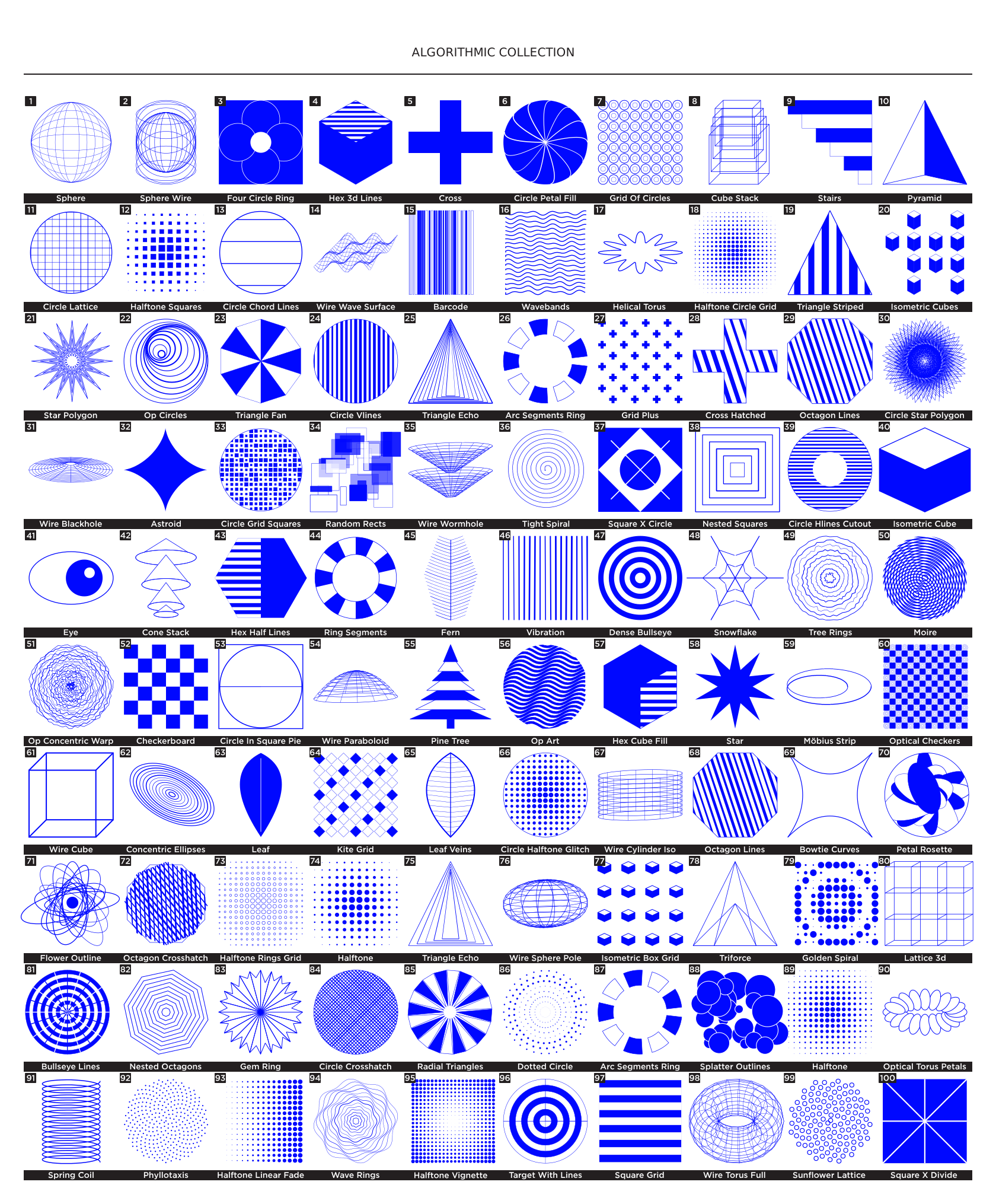
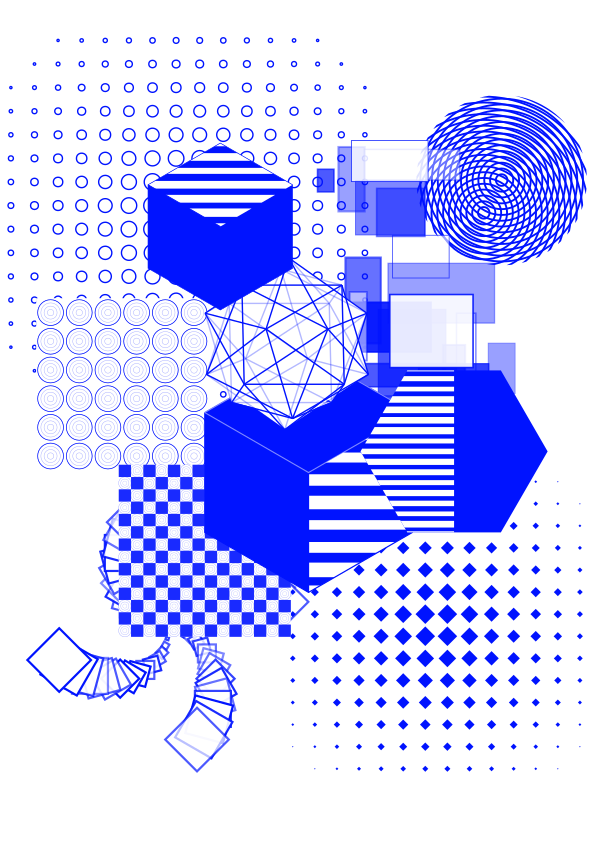
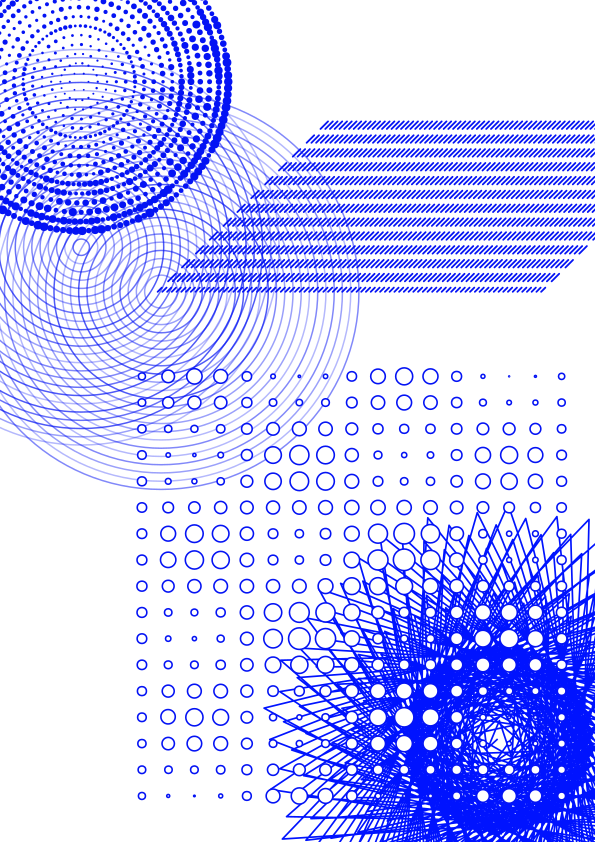
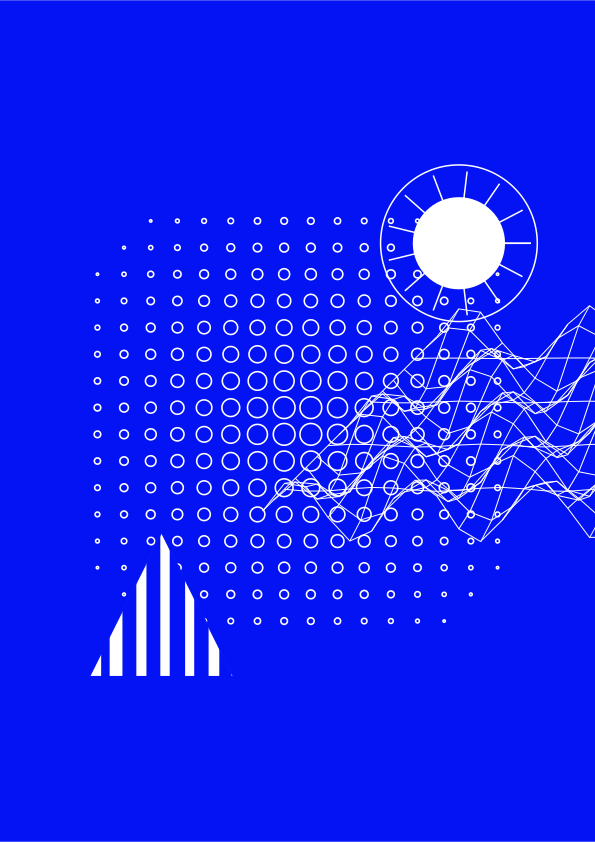
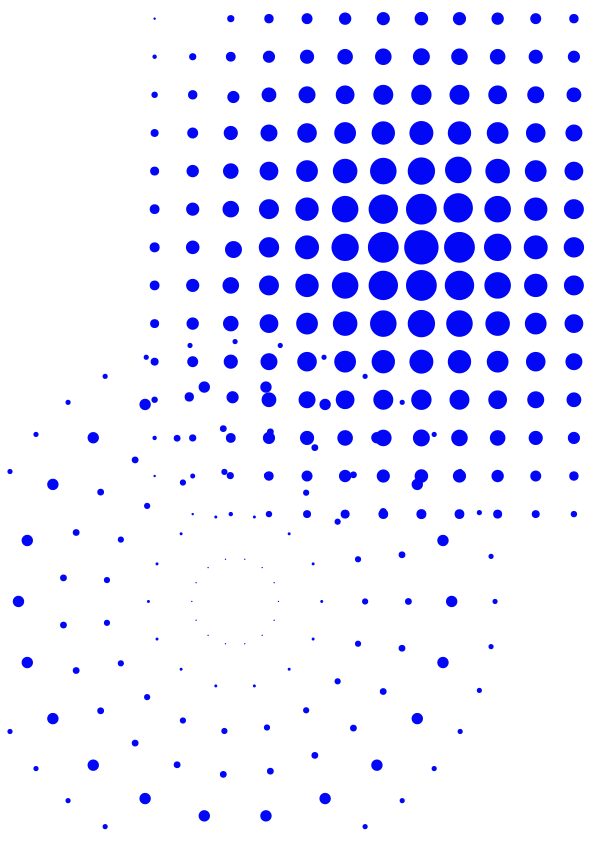
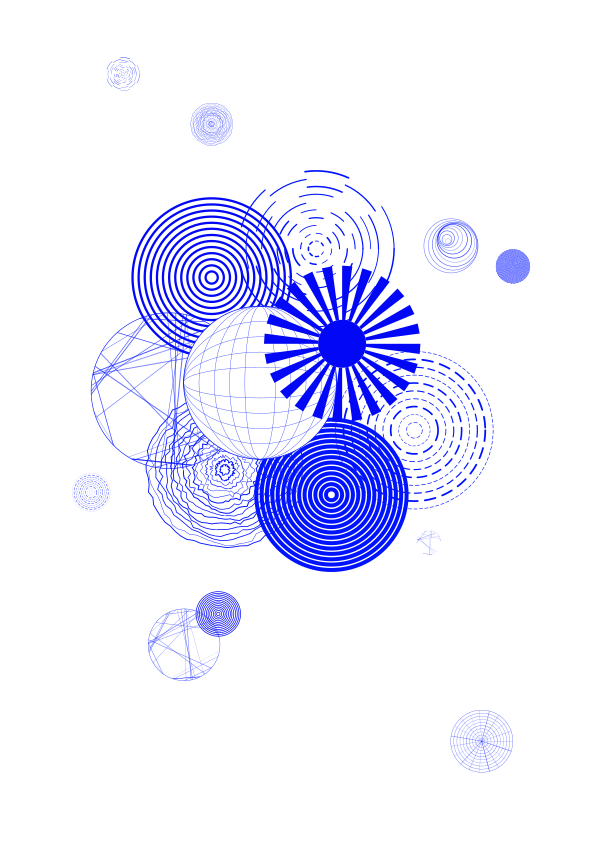
The visual system is built from a procedural design algorithm developed to generate both individual shapes and complete compositions. Each form is defined through code and organized within a larger library of geometric families. A seeded system controls the generation process, which means that every output can be randomized while remaining reproducible. The algorithm works through a set of adjustable parameters, including shape family, scale, rotation, density, spacing, repetition, and visual weight. Categories can also be weighted differently, allowing certain types of forms to appear more frequently than others. The result is not uncontrolled randomness, but a directed generative process in which variation is continuously produced within a consistent set of rules.
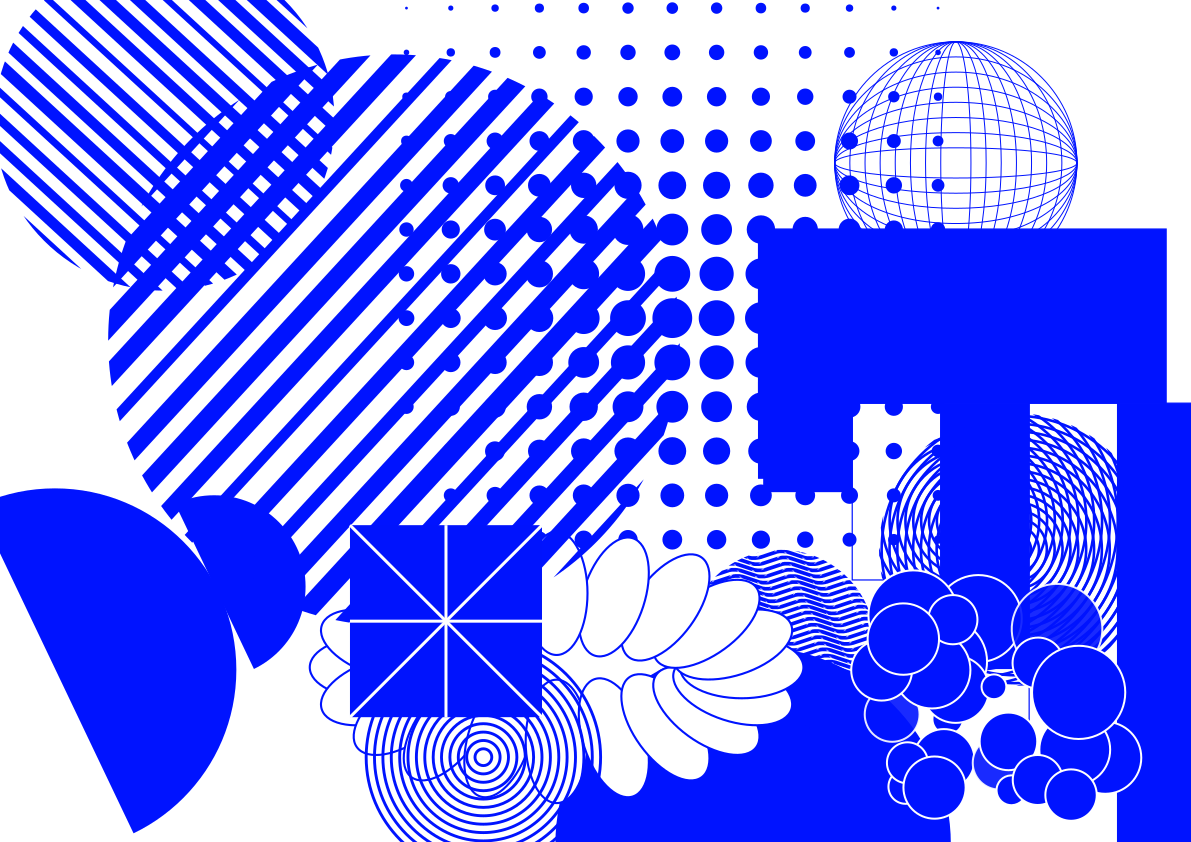
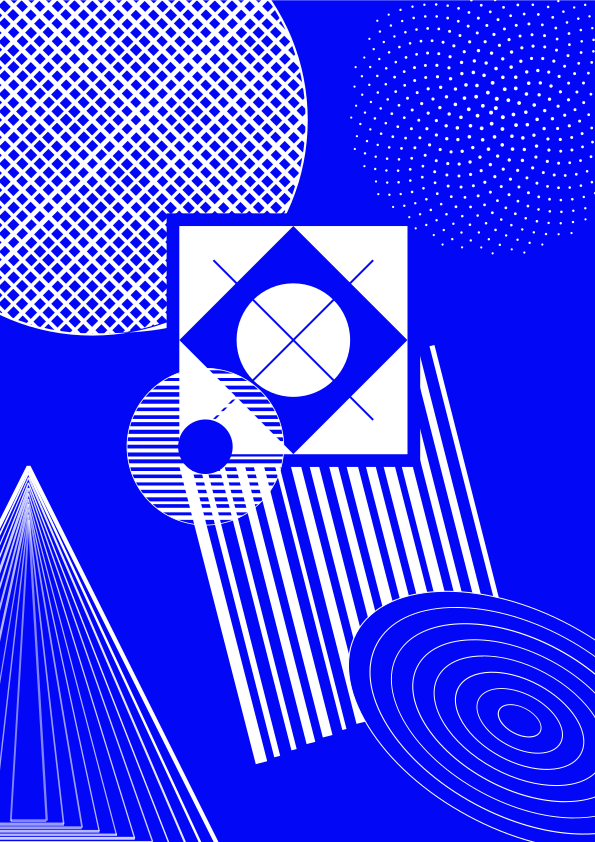
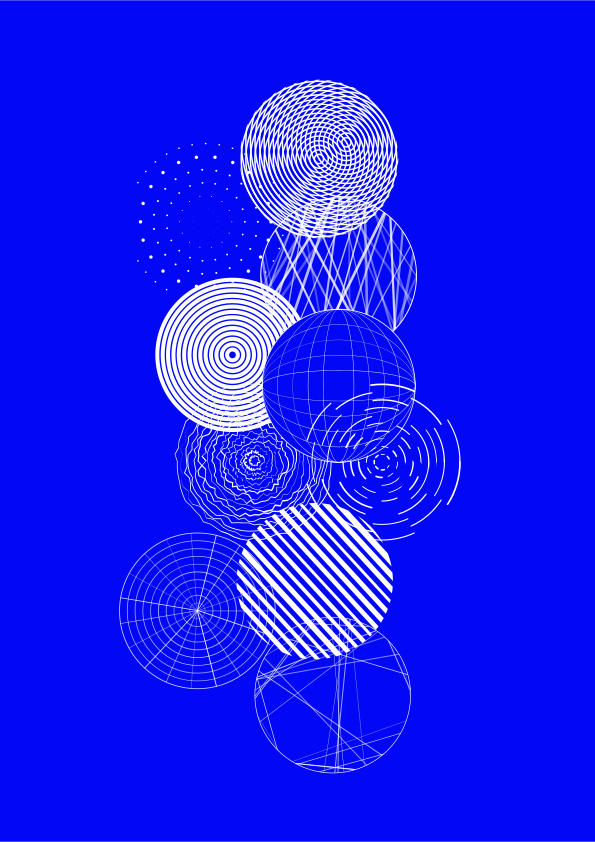
The system begins with a structured poster grid, which functions as both a catalogue and a compositional framework. Each cell is generated independently and can contain a different form, while the grid establishes a common scale, rhythm, and structure across the page. This creates a balance between individual variation and collective coherence. From this initial grid, the generated cells become modular design elements. They can be selected, resized, rotated, overlapped, repositioned, or combined into new configurations. Rather than designing every composition from scratch, the layout is developed by adjusting parameters and relationships between existing elements, allowing multiple visual outcomes to emerge from the same underlying system.
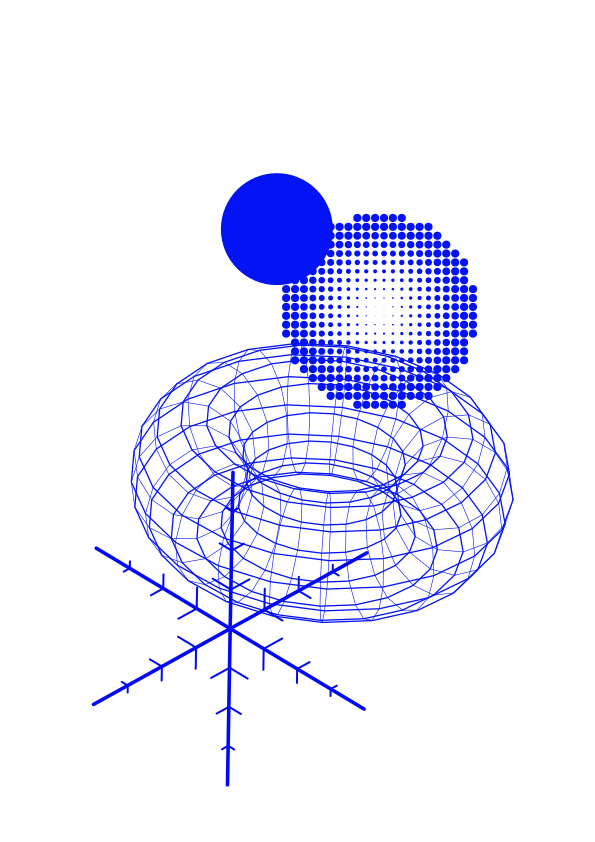
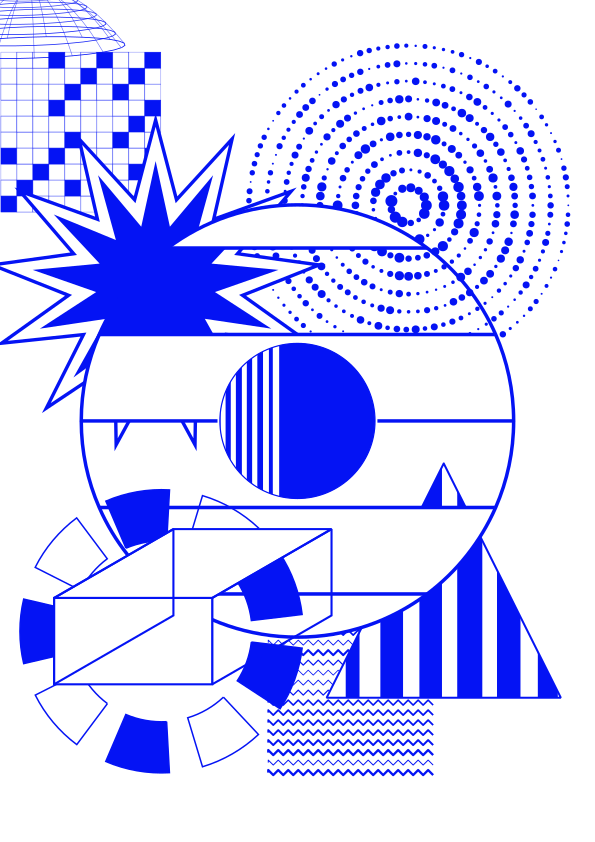
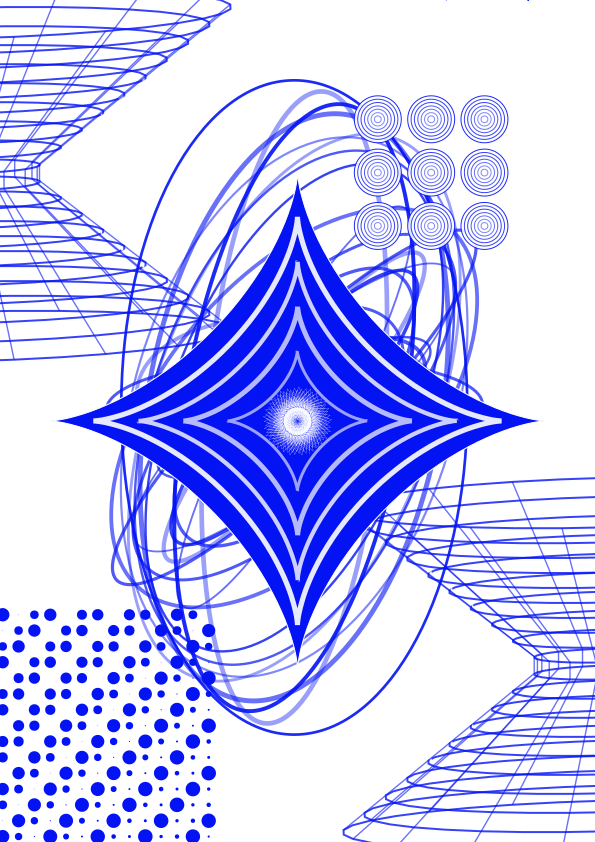
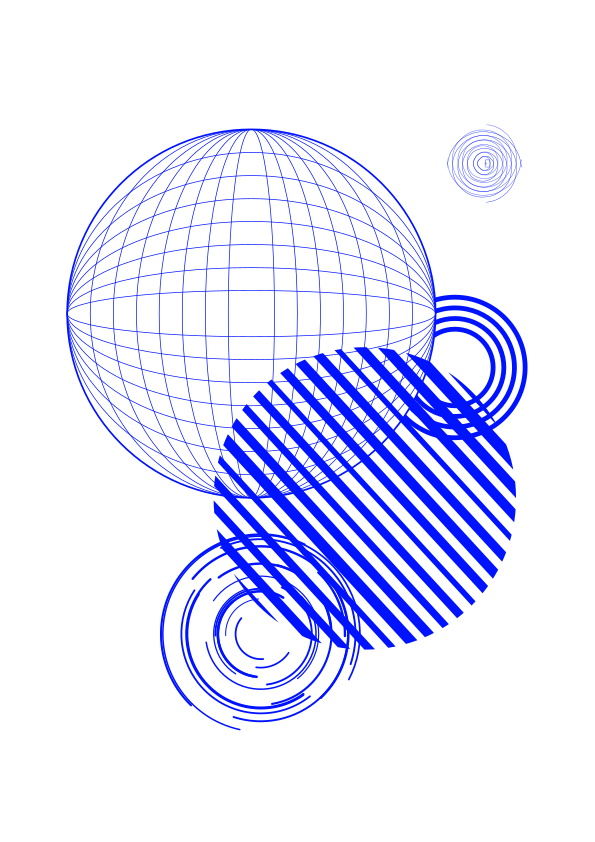
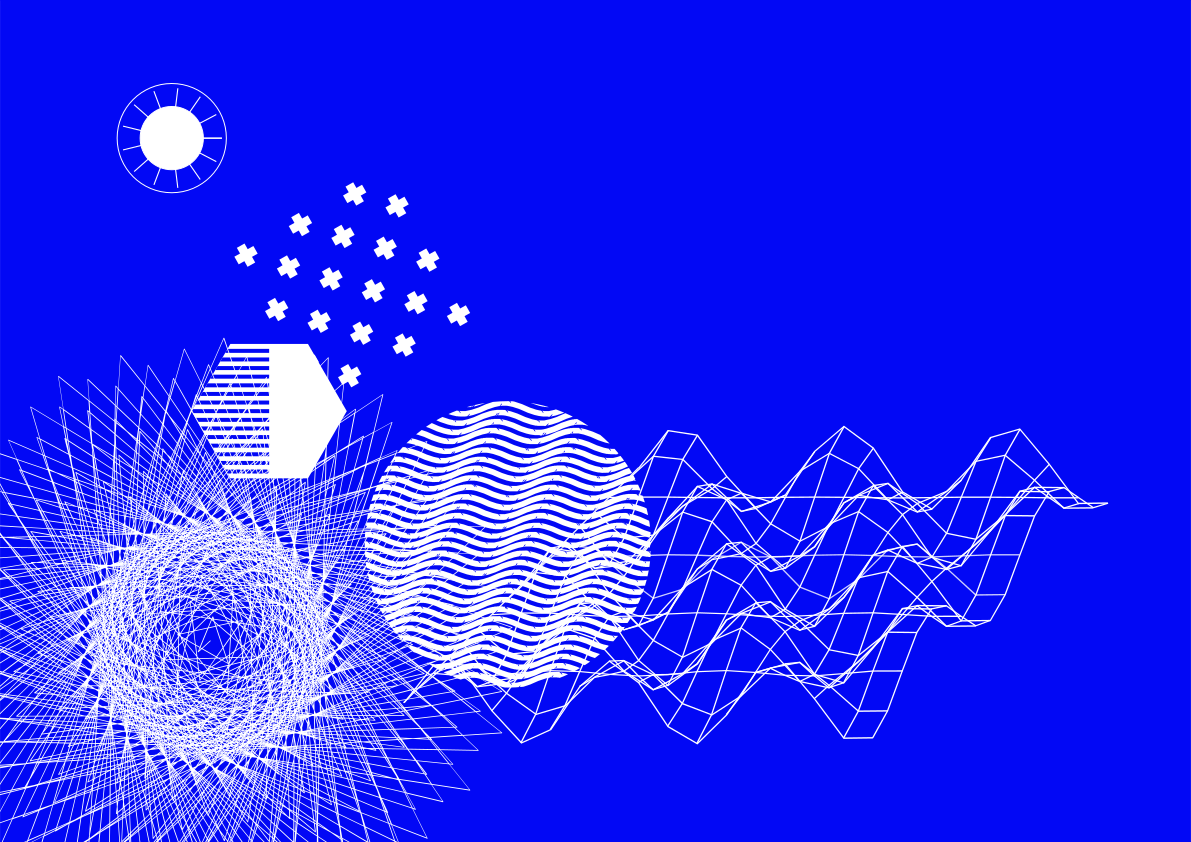
The final compositions move progressively from strict structure toward more open and organic arrangements. Different scales and rotations create rhythm and hierarchy, while changes in density and spacing introduce areas of tension, balance, and breathing space. Flat geometric forms are combined with wireframe constructions and perspective-based elements to create a sense of depth and three-dimensionality within a two-dimensional composition. Because every image is generated from the same coded framework, the system can produce a large number of distinct compositions without losing visual consistency. The algorithm therefore becomes both a production tool and a design method, allowing the Annual Report to evolve through controlled variation, modularity, reproducibility, and continuous recombination.

Algomération
Every form is drawn from a seed. Four hundred and ten generators, one ink — change the seed and the shape changes with it.
Composer · artist mode